Mountain life · Housing
The seasonnaire housing crunch reaches the summer trade
Raft guides and refuge staff now face the winter's rents, year-round. The housing shortage that defined ski seasons has quietly become a twelve-month problem — and the summer economy is feeling it first.
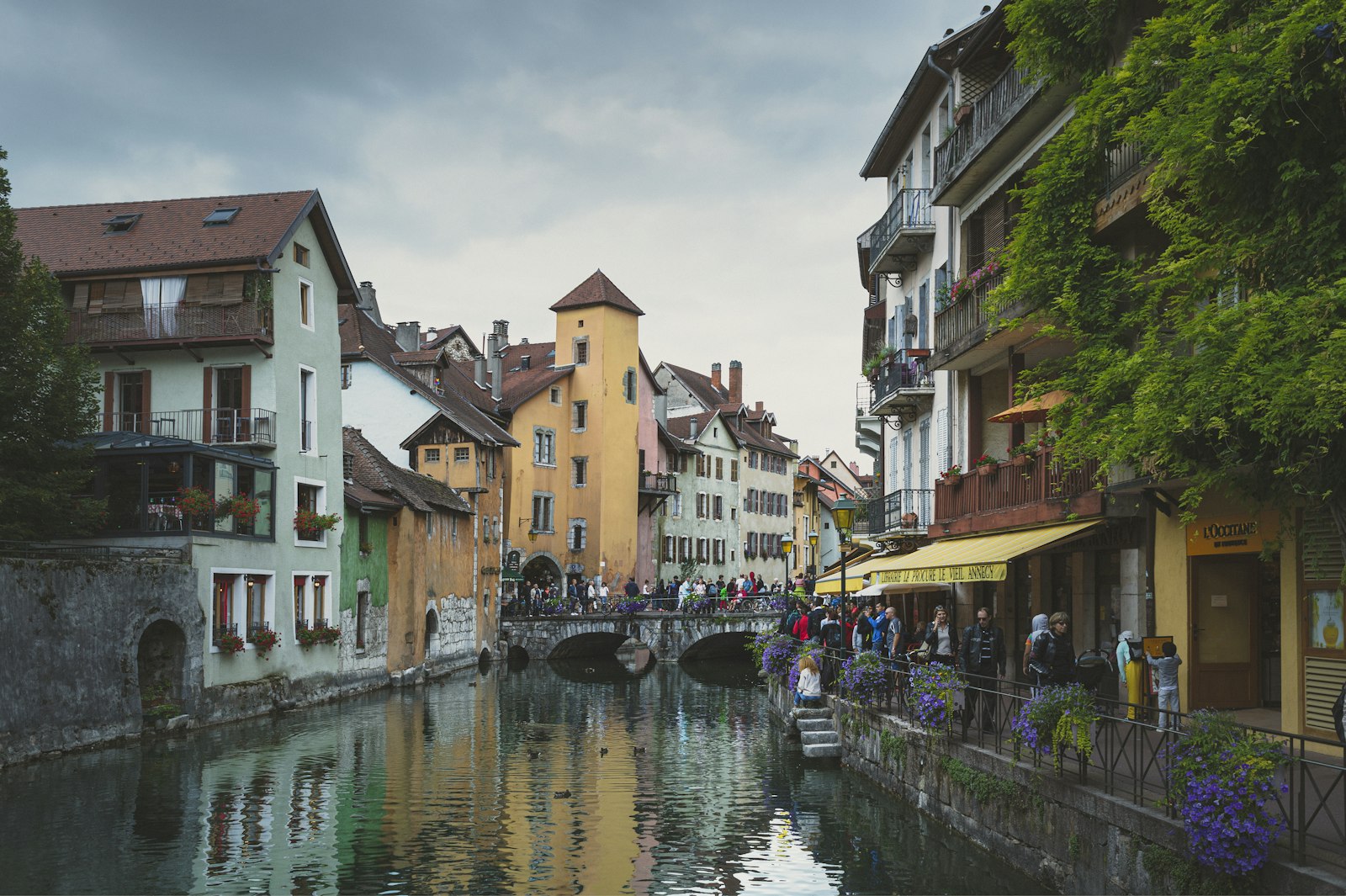
For twenty years the deal was understood. Winter was impossible — you shared a studio with three ski instructors or commuted from Cluses — but summer was forgiving. Owners preferred a quiet tenant to an empty flat between the seasons, and a raft guide could live in Morzine on a raft guide's wages. That deal is over.
The numbers
Listings data across the Portes du Soleil and the Chamonix valley show summer-season rents up between 18% and 30% in two years. A room in a shared seasonal flat that cost €450 a month in 2024 now lists at €580; studio rates in Chamonix start with a seven. The driver is not mysterious: the same apartments now earn more on short-let platforms in July than they once did in February, and owners have noticed.
The consequences arrive on schedule. Morzine's rafting operators report unfilled guide positions for the first time in memory. Two refuges above the valley opened late this season for want of staff. A Chamonix restaurateur described interviewing a chef who withdrew on discovering what half his salary would buy.
"I can hire them. I cannot house them. It is the same sentence now."
Outdoor-activities employer, Morzine
Why summer broke second
Winter broke first because demand is extreme and compressed. But winter also built coping mechanisms: employer-leased chalets, staff quarters written into hotel budgets, the grim but functional bunkroom economy. Summer had none of this scaffolding, because it never needed it. The businesses of July — rafting bases, bike shops, refuges, terraces — are smaller, seasonal themselves, and in no position to block-book apartments eleven months ahead.
Meanwhile the labour pool changed. The British seasonnaire on a working-holiday arrangement largely vanished with Brexit; the French twenty-something who once filled the gap can now do seasonal work in places where a room does not consume 60% of the payslip.
What the resorts are trying
- Employer obligations. Chamonix now weighs staff-housing provision in commercial lease renewals on commune-owned property — a quiet but real lever.
- Dedicated stock. Les Gets is converting a former holiday-colony building into 40 seasonal rooms, open year-round from 2027. Morzine has two similar projects in permitting.
- The surcharge dividend. The second-home surtax that owners grumble about is, in several communes, earmarked precisely for this: Chamonix's €4m take part-funds the logements saisonniers programme.
- Owner matchmaking. Saint-Gervais runs a scheme pairing owners of empty apartments with vetted seasonal workers at capped rents, in exchange for tax relief and a damage guarantee. Sixty tenancies last winter; the commune wants two hundred.
Why readers of a property paper should care
Because the summer economy is the amenity. The terraces, the guides, the bike shops, the staffed refuges — they are what a dual-season resort sells, and they run on people who must live within reach of the morning shift. A resort that cannot house its July workforce eventually becomes a resort with less of a July, and the property market prices that with a lag. The communes that solve staff housing are, quietly, defending their real estate values. The ones that don't are borrowing against them.
The rent data, resort by resort
We tracked asking rents on the main listing platforms for seasonal lets across five resorts, comparing the summer seasons of 2024 and 2026. The pattern is consistent: the winter/summer gap, once 30–40%, has nearly closed.
| Resort | Room in shared flat, summer 2024 | Summer 2026 | Change |
|---|---|---|---|
| Chamonix | €520/mo | €660/mo | +27% |
| Morzine | €450/mo | €580/mo | +29% |
| Les Gets | €430/mo | €540/mo | +26% |
| Annecy (town) | €560/mo | €665/mo | +19% |
| Bourg-Saint-Maurice | €380/mo | €450/mo | +18% |
Set those figures against the pay. A summer raft guide or lift operator typically earns at or just above the SMIC — €1,430 or so net per month at current rates (the reference values are maintained on service-public.fr). A €580 room consumes 40% of that before a single grocery. French housing-aid rules (APL) help less than workers expect in furnished seasonal lets, and many discover the aid only after the season ends.
The Brexit hole in the labour pool
The scale of the missing British workforce is easy to underestimate. Industry bodies put the pre-2019 British seasonal contingent in the French Alps at 20,000–25,000 per winter, with a substantial summer echo in the rafting, biking and childcare trades. Post-Brexit, a British worker needs a work visa requiring employer sponsorship — the routes are set out at france-visas.gouv.fr — and the numbers have collapsed to a fraction. The gap has been part-filled by workers from elsewhere in the EU, but "part" is the operative word: French resort employers' federations reported thousands of unfilled seasonal posts in each of the last three winters, and the shortage has now followed the sun into July. A UK–EU youth mobility arrangement, periodically floated in London and Brussels, would change this arithmetic overnight; owners and employers should watch that negotiation as closely as any snow report.
What the neighbours do better
Austria houses its seasonal workforce as a matter of course: the Mitarbeiterhaus — staff house — is a standard line in any Tyrolean hotel's accounts, and the sector's collective agreement builds board and lodging into the wage structure. Switzerland's resorts, with the same second-home pressures as France (see our surtax survey for the French response), lean on employer-provided studios and on the cap that the Lex Weber places on new second homes. France's model — workers as independent tenants in an open market — worked as long as the market had slack. The slack is gone.
The investor angle, stated plainly
There is a return here for private capital, and the communes know it. Les Gets' 40-room conversion is structured as a bail with a guaranteed-occupancy covenant; Saint-Gervais' owner-matching scheme pairs capped rents with a communal damage guarantee and a tax sweetener. For an owner whose apartment sits empty ten months a year, €550 a month at zero vacancy and zero platform commission is not charity — it is a yield with a waiting list. Expect purpose-built seasonal housing to emerge as a small asset class in the Alps within five years, and expect the communes that pioneered the surtax to be the ones underwriting it.
The worker's survival guide, 2026 edition
For the seasonnaires themselves, the practical playbook has changed, and the old advice — "turn up in November and ask in the bars" — now mostly produces an expensive lesson. What works: apply for jobs that state "logé" (housed) in the listing and treat the accommodation terms as half the salary negotiation, because they are. The public employment service lists seasonal posts with housing flags at francetravail.fr, and the big employers — lift companies, resort hotel groups — open winter recruitment in September and summer recruitment in March; the housed positions go first. Several mairies (Chamonix, Les Gets, Saint-Gervais) keep registers of vetted seasonal rooms — ask at the mairie, not the tourist office.
Know the rights that exist on paper: the seasonal work contract carries the same SMIC floor and overtime rules as any other, employer-provided housing has legal minimum standards, and deposits are capped. Action Logement, the employer-funded housing body, runs a free rent-guarantee scheme (Visale) that many resort landlords now accept in place of a parental guarantor — details at actionlogement.fr — and it is the single most useful piece of paperwork a broke 23-year-old can carry into a rental conversation. Finally, the unglamorous economics: a housed job at €1,450 net beats an unhoused one at €1,700 in every resort in this survey. Do that arithmetic before signing, not in February.
Related: what the same demographics are doing to the village school.
[Preview edition — this article is illustrative while Issue No. 1 is in preparation.]
Advertisement
Partner · Property
Domosno
New-build and resale ski property across the French Alps. English-speaking, VAT-reclaim specialists.
View listings